Windows to the Soul
Mindy Véissid gives us the scoop on how she got into photography, and why you should trust your intuition.
The best, most impactful art is jam-packed with emotion. It makes you feel something. That’s award-winning photographer and Art of Intuitive Photography founder Mindy Véissid’s specialty. Read on for her sources of inspiration and the real meaning behind intuitive photography.
What inspired you to become a photographer?
Since I was a child, I’ve always had a creative soul. I worked in the corporate world for many years (in a bank doing IT) and did an MBA, but always felt like I needed a creative outlet.
Photography was the medium that allowed me to express myself and explore my creative side. I started recognizing that whenever I had my camera in my hand, I was feeling joy—and it became a meditative process for me as well.
In 2009 I quit my corporate job and launched my photography business. I didn’t want to be 90 years old looking back on my life and saying “I regret it, I should have.” I took a leap of faith, and here I am: I’ve just published my Art of Intuitive Photography book, and I’m doing workshops around the world.
Can you tell us about a formative moment in your career?
When I was learning photography, I really struggled. Most of the courses were extremely technical, and if I watched YouTube videos or read my camera manual, I would get lost in my head and feel totally overwhelmed.
Having gone through many frustrating learning situations, I created my digital beginner class based on what I felt I needed as a student. I created the type of class where my students understand that I’ve been in their shoes, and I break things down into simple terms.
This frustration also led me to explore more of my creative side, since most photography classes were so technical. It was hard to find a creative class—and once I started trusting myself to be a creative photographer by following my own intuition, I wanted to share it with others.


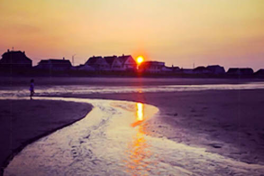
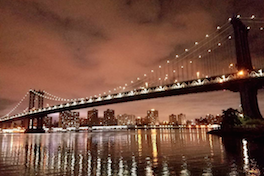
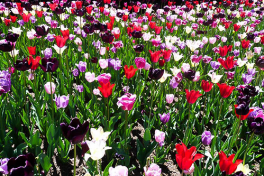
Photographs by Mindy Véissid
What’s the real meaning of intuitive photography? How can students put it into practice?
Intuitive photography is about photographing from our hearts, not our heads. It’s paying attention to how our feelings and body guide us to an image, rather than trying to find the “perfect” shot. It’s about letting go of control, becoming vulnerable, and finding your own true self through your lens.
My Art of Intuitive Photography classes aren’t about the technical aspects—it’s about tapping into the child within us, and exploring our world with curiosity and wonder. The photos that come out of this approach contain your spirit, your connectedness to that moment, and to the subject.
This approach allows you to tune into yourself, so you start taking photos that are meaningful to you, rather than photos that everyone else is taking and being a follower.
What are the top three skills or techniques that you think people interested in photography should learn?
I’d say the first technique is to understand how your camera works. Once you understand that, it allows you to explore how you want to capture your images with your own voice.
The second technique is understanding how composition works. What helped me a lot was looking at other photographers’ photos, and breaking them down to figure out what it was about the image that I liked.
The third technique is seeing. 95% of being a photographer is being able to see what’s around you, so that you can capture those moments. If you don’t see, how could you possibly capture?
Which is your most popular class, and why?
Our most popular class is Digital Photography I: Introduction for Beginners. A lot of my students started taking photos with their smartphones. As they were getting interesting shots and good feedback, they felt they wanted to upgrade their camera to a “real” one, and to learn about ISO, aperture, and shutter speed. Other students are going on trips and feel like they want to understand how to take better photos before they go away.
Where is your favorite place to take photos in New York?
I don’t have a “favorite place” per se. Much of it depends on what my mood is and what I want to capture. I’m all about not taking postcard photos, but exploring an area and capturing images that people don’t think to take. You can find a lot of beauty on the block where you live—you just need to slow down and look for it.
What makes your classes unique?
We’re quite unique in that none of our classes have a typical classroom structure. I know I never enjoyed learning that way. New York City is our classroom—and what an amazing classroom it is!